
What’s Next for Genome Editing Therapies?
A Breakthrough Worth Watching - But Not the Finish Line
It’s an exciting time for genome editing.
Eli Lilly’s VERVE-102 has demonstrated encouraging clinical safety and efficacy in the Phase 1b Heart-2 trial, marking another important milestone for in vivo gene editing targeting high LDL cholesterol.
But this progress raises a critical question:
How do we translate more genome editing breakthroughs into consistent, successful clinical outcomes?
Despite rapid innovation, the path to patients remains complex, and increasingly constrained.
Innovation is Surging but why are Clinical Trials Declining?
The genome editing therapeutics field is advancing rapidly, driven by breakthroughs in CRISPR, base editing, gene editing technologies, and in vivo genome editing platforms. Over the past two years, innovation across biotech and pharmaceutical R&D has accelerated significantly, with increased investment in gene therapy, genome engineering, and precision medicine.
However, despite this scientific momentum, genome editing clinical trials are declining, creating a widening gap between discovery and real-world application. Between 2024 to 2026, data points to a continued slowdown in clinical-stage genome editing programs, highlighting a critical industry challenge: while innovation is thriving, clinical development, IND approval, and regulatory success remain difficult to achieve.
Several key barriers are limiting the progression of CRISPR-based therapies and gene editing drug development into the clinic. Immunogenicity continues to impact therapeutic durability and patient outcomes, while off-target editing risks and genome-wide specificity concerns remain major hurdles for both developers and regulators. At the same time, ongoing delivery challenges, particularly liver tropism linked to LNP and AAV vectors, are restricting broader systemic applications and slowing the advancement of in vivo and ex vivo genome editing therapies.
Simultaneously, evolving FDA regulatory frameworks and guidance for gene editing therapies, including increased scrutiny around next-generation sequencing (NGS), off-target analysis, and IND-enabling preclinical studies, are raising the bar for clinical entry. While these evolving standards are essential for improving safety and efficacy, they are also increasing complexity for biotech companies and pharma leaders advancing genome editing pipelines.
As a result, many promising genome editing programs, CRISPR therapeutics, and gene editing platforms are struggling to transition efficiently from preclinical development into clinical trials and commercialization pathways. Addressing these challenges is now critical to accelerating clinical translation, improving success rates in gene editing clinical trials, and delivering next-generation genome editing therapies to patients.
A Critical Point for the Industry
With momentum building, and scrutiny increasing, this is a defining moment for genome editing.
Key developments driving urgency include:
Clinical Programs Nearing the Market
- BEAM-302 and Lonvo-z are moving closer to commercialization
- Companies like Beam Therapeutics and Intellia Therapeutics are navigating the balance between safety, efficacy, and regulatory alignment
Evolving Regulatory Support
- The FDA’s Plausible Mechanism Framework is accelerating pathways for ultra-rare disease therapies
- Offering new hope for patient populations with limited treatment options
New Safety Expectations
- Updated NGS safety guidelines are reshaping how companies assess and mitigate off-target effects
- Leaders like AbbVie and Bristol Myers Squibb are advancing approaches to improve editing precision and avoid trial delays
From Challenge to Opportunity: Tackling the Core Barriers
To unlock the next wave of approvals, the industry must focus on:
Designing robust IND-enabling packages with predictive preclinical data
Advancing delivery technologies beyond the liver for broader therapeutic reach
Reducing immunogenicity to improve persistence and efficacy
Aligning with regulators earlier to prevent costly delays
This is where collaboration and knowledge-sharing become critical.
Where the Industry Comes Together to Solve These Challenges
That’s why leading pharma and biotech innovators are convening at the 7th Genome Editing Therapeutics Summit.
Attending Companies Include








What You’ll Learn: A Snapshot of Key Sessions
Attendees will gain practical, actionable insights through targeted sessions, including:
Navigating Regulatory IND Packages to Accelerate Genome Editing Therapeutics into the Clinic
Focusing on how to design IND-enabling studies and preclinical data packages that meet evolving FDA expectations for gene editing therapies.
Attendees will explore how to leverage predictive models and translational data to de-risk clinical entry, minimize delays, and strengthen regulatory interactions, ultimately accelerating the progression of genome editing candidates into clinical trials.


Advancing Extrahepatic Delivery to Improve Safety & Targeting for Genome Editing Therapeutics
Exploring strategies to minimize LNP and AAV liver tropism, reduce toxicity risks, and enable targeted extrahepatic delivery for in vivo genome editing. This workshop is particularly critical for teams aiming to expand beyond liver-focused indications and broaden the reach of gene editing therapeutics across diverse disease areas.

Day One Panel Discussion: Advancing Scalable Gene Editing Manufacturing & CDMO Collaboration to Preserve Product Quality & Reduce Timelines
The discussion will explore how leading biotech and pharma companies are:
- Streamlining manufacturing and analytical workflows to preserve product quality, potency, and consistency during scale-up
- Building more effective CDMO partnerships and tech transfer strategies to reduce delays and improve efficiency in gene therapy manufacturing
- Developing flexible approaches to guide RNA production, enabling scalable solutions for rare and ultra-rare disease indications
This session is essential for those navigating the transition from early development to commercial-scale gene editing production.


Day Two: Overcoming Vector & Cargo Immunogenicity to Improve Therapeutic Persistence in Patients
Gain insight into:
- How immune responses to vectors and gene editing cargo can drive rapid clearance and limit therapeutic durability
- Practical strategies to reduce immunogenicity during repeat dosing, improving long-term patient outcomes
- Emerging approaches to engineer next-generation vectors that evade immune detection, enabling more durable and effective CRISPR-based therapies
This session provides actionable learnings for improving therapeutic persistence, safety profiles, and clinical success rates in gene editing programs.

Why This Summit Matters Now
With only one approved genome editing therapy since Casgevy, the industry faces a clear challenge:
How do we consistently deliver safe, effective, and scalable therapies to patients faster?
The answer lies in:
- Cross-industry collaboration
- Regulatory alignment
- Translational innovation
- Learning from those already advancing into the clinic
If you’re working to progress genome editing therapies from discovery to clinical reality, this is where those conversations and solutions happen.
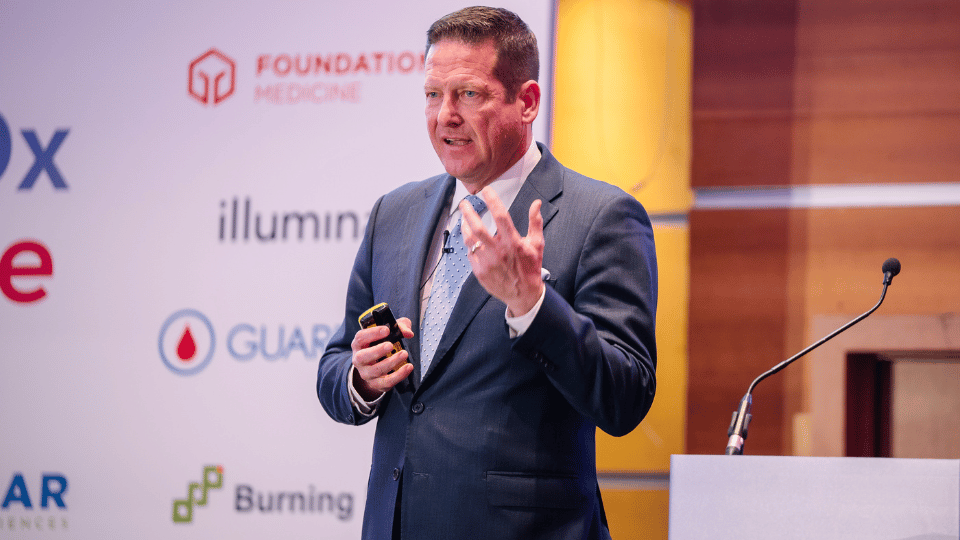
Explore the Agenda
See exactly which delivery, manufacturing and regulatory sessions are relevant to your genome editing program.

Partner With Us
Put your solutions in front of the genome editing decision-makers actively looking for them.
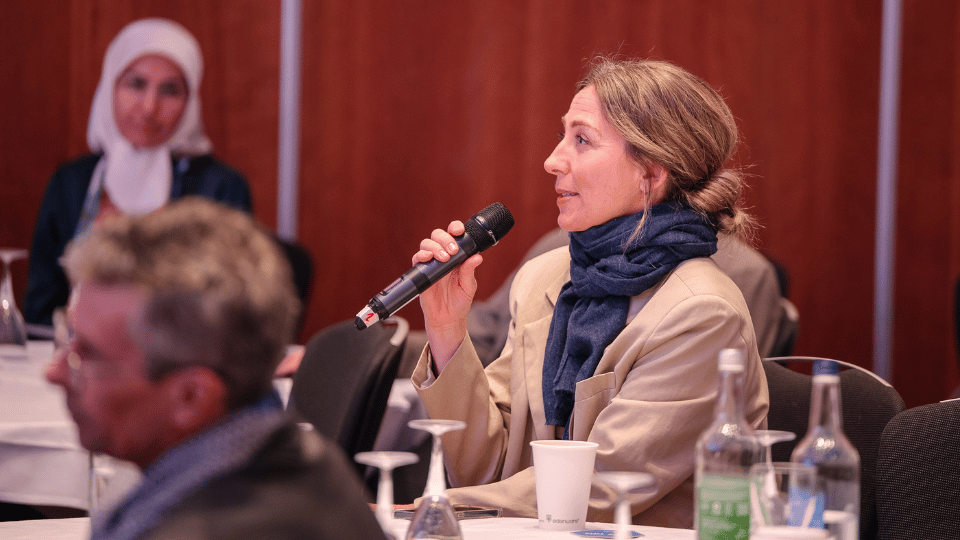
Join Genome Editing Experts
Connect with the R&D, clinical and regulatory leaders driving genome editing therapeutics forward.